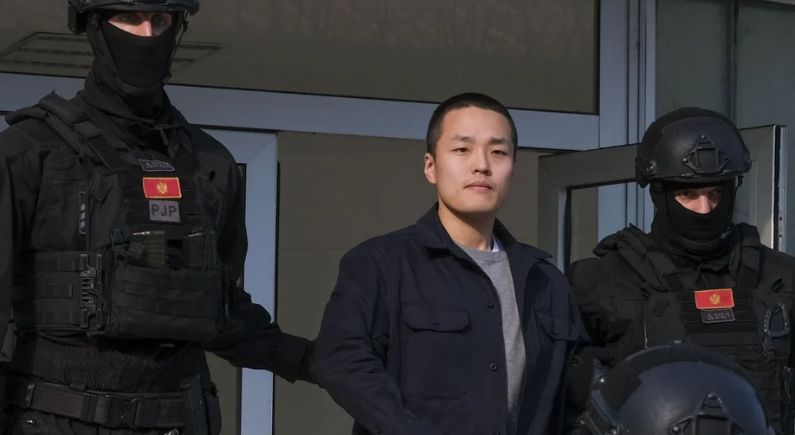
Do Hyeong “Do” Kwon, co‑founder of Terraform Labs, has been sentenced in Manhattan federal court to 15 years in prison for fraud connected to the $40 billion collapse of TerraUSD and Luna. The judge rejected the prosecution’s request for a 12‑year sentence, calling it “unreasonably lenient”, and cited victim letters that described NGO setbacks, family stress and wasted savings. Kwon’s extradition on 31 December 2024, his guilty plea in August 2025, and the forfeiture of almost $19 million were all highlighted by the Department of Justice.
Do Kwon became one of the most prominent figures in cryptocurrency, known for his strong presence on social media and frequent clashes with critics. The Terra blockchain was developed by Terraform Labs, and UST was marketed as an algorithmic stablecoin with a $1 peg through its connection to Luna. Prosecutors contend that despite the system’s apparent self‑sufficiency, its stability was manufactured by covert assistance and manipulation.
Do Kwon was extradited to the United States on 31 December 2024, following his arrest in Montenegro in March 2023 and several months of detention. US District Judge Paul A. Engelmayer in the Southern District of New York sentenced him after he entered a guilty plea in August 2025.
The defence requested a five‑year sentence, while the prosecution sought a twelve‑year one. Citing the extent of the damages and the effect on the victims, Judge Engelmayer handed down a 15‑year sentence. The court emphasised that the harm went beyond paper losses and involved actual money from real people.
UST was marketed as being able to maintain its $1 value through incentives and code. According to case files, a trading company intervened with significant purchases when UST declined in May 2021, demonstrating that the peg was not self‑sustaining as stated. By May 2022, the market had become too large for the same strategy to be effective. More than $40 billion was lost, UST and Luna failed, and the peg broke, causing broader volatility in the cryptocurrency markets.
Prosecutors further alleged that investors were misled about the decentralisation of the Mirror Protocol, the independence of the Luna Foundation Guard, and claims of real‑world payment partnerships. These arguments supported the claim that Terraform’s stability was artificial rather than genuine.
Victims reported emptied retirement savings, cancelled education plans, mounting debt and charities cutting services. Letters described marriages ending, parents forced to work beyond retirement and severe distress after losing life savings. More than 300 victim letters were submitted to the court, documenting the scale of the damage. Judge Paul A. Engelmayer considered these accounts in sentencing, noting that the Terra collapse caused extensive harm.
Judge Engelmayer emphasised accountability and deterrence in court. He rejected the notion that the crash was only a market mishap, stating that when losses are significant, deception and manipulation in digital assets will have serious consequences.
Prosecutors and the court ranked the Terra collapse among the largest in cryptocurrency history, with losses exceeding those from FTX and OneCoin combined. By measures such as market value, realised losses and contagion, Terra’s failure was a major factor in the 2022 crypto downturn.
The failure of UST brought stablecoins under closer regulatory scrutiny. Authorities now focus on reserve transparency for asset‑backed coins, disclosure of mechanisms for algorithmic models and clarity on who provides support when pegs falter. Regulators are examining claims of decentralisation more closely, particularly when used to avoid accountability.