- Roadshow to Rome
- Exhibitors
- Agenda
- Speakers
- Media Partners
- News


Thailand is advancing plans to integrate cryptocurrencies into its regulated derivatives market, marking a significant step in the country’s broader digital asset strategy.
The Securities and Exchange Commission (SEC) of Thailand recently announced it will expand the range of permissible underlying assets under its derivatives framework to include digital assets and carbon credits. The move follows Cabinet approval of proposals aimed at aligning Thailand’s derivatives market with international standards, while maintaining strong supervision, risk management and investor protection.
Under the proposed changes, digital assets, including cryptocurrencies, will be formally recognised as legitimate investment asset classes capable of underpinning regulated derivatives products.
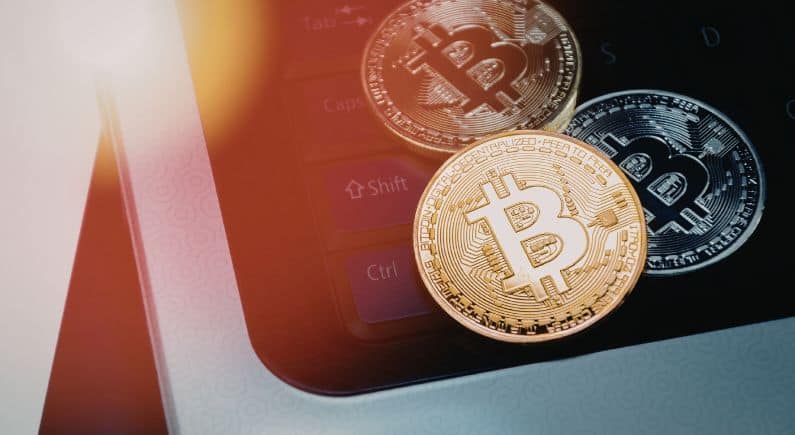
The reform could pave the way for futures, options and other structured contracts linked to assets such as bitcoin, potentially traded on platforms including the Thailand Futures Exchange (TFEX).
“The expansion of permissible goods and variables under the Derivatives Act aims to support new forms of goods and variables,” said SEC Secretary-General Pornanong Budsaratragoon. “This development will help promote more inclusive market growth, facilitate diversification and more effective risk management, and expand investment opportunities for a broader range of investors.”
The inclusion of carbon credits alongside digital assets reflects Thailand’s broader push towards sustainable finance and emerging asset classes.
The SEC confirmed it will begin drafting supporting regulations, including amendments to derivatives business licences. These amendments would allow licensed digital asset operators to offer contracts referencing cryptocurrencies and other digital assets.
In parallel, the regulator will review licensing and supervisory frameworks governing derivatives exchanges and clearing houses to ensure they can accommodate crypto as a new class of underlying products.
The SEC also said it will work closely with TFEX to finalise contract specifications for digital asset-linked products, ensuring they are structured to support effective risk management and real-world market participation.
The integration of crypto into Thailand’s derivatives market forms part of the country’s wider ambition to position itself as a regional hub for the digital economy.
Earlier this year, the SEC outlined plans to introduce comprehensive regulations covering digital asset-related products and activities, including crypto exchange-traded funds (ETFs).
Last year, Thailand launched TouristDigiPay in August to help the country’s tourism sector, which faced headwinds due to a sharp decline in Chinese visitors and a sluggish global recovery in travel. TouristDigiPay enables foreign tourists to convert cryptocurrency into Thai Baht for local spending. The initiative aimed to revitalise tourism through alternative payment options.
Thailand took a cautious approach to cryptocurrency-based travel payments. The Bank of Thailand regulates e-money providers, the Securities and Exchange Commission (SEC) oversees bitcoin exchanges, and the Anti-Money Laundering Office (AMLO) will ensure that AML regulations are followed. Authorities are overseeing the TouristDigiPay programme’s deployment and managing any potential risks.