- Roadshow to Rome
- Exhibitors
- Agenda
- Speakers
- Media Partners
- News

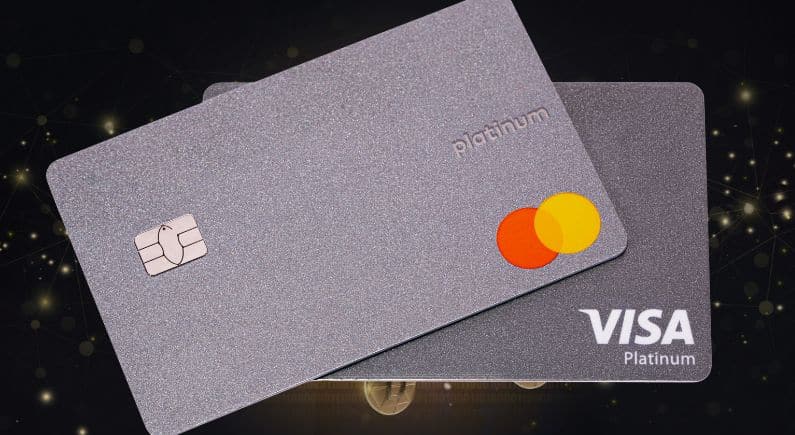
Mastercard has launched a new global Crypto Partner Programme, bringing together more than 85 companies, including Binance, Ripple, Circle, Solana and Polygon, as the payments giant deepens its push into blockchain-based financial infrastructure.
The initiative aims to connect crypto-native firms, fintech companies and financial institutions with Mastercard’s payments network to develop practical digital asset use cases, particularly in areas such as cross-border payments, settlements and institutional money movement.
The programme reflects a broader shift in the digital asset sector as blockchain technology moves from experimental applications towards enterprise and institutional adoption.
Participants in the programme will work with Mastercard teams on the development of new products and services designed to combine blockchain technology with traditional payment systems.
According to the company, the goal is to merge the speed and programmability of digital assets with Mastercard’s global card network and established commerce infrastructure. “Digital assets are entering a new phase,” said Raj Dhamodharan, Executive Vice President of Digital Asset Blockchain Products & Partnerships at Mastercard, noting that blockchain solutions are increasingly being used to address real-world financial challenges such as cross-border remittances and B2B transfers. The programme also aims to support the development of consistent standards and compliant frameworks for blockchain-based payments.
More than 85 organisations are participating in the programme, spanning crypto exchanges, blockchain networks, payments infrastructure providers and compliance firms. Notable participants include exchanges such as OKX, Crypto.com and Gemini, alongside blockchain networks including Optimism and Aptos.
Payments and infrastructure companies such as MoonPay, Fireblocks, Worldpay and blockchain analytics firm Chainalysis are also involved.
Traditional fintech and financial services companies, including PayPal, SoFi and Marqeta, have joined the programme as well.
The new programme builds on Mastercard’s broader strategy to expand its digital asset ecosystem through partnerships and accelerator initiatives.
The company has previously supported blockchain startups through its Start Path programme and worked with partners through its Engage platform, which includes a dedicated crypto card programme.
Mastercard executive Sherri Haymond said collaboration between traditional payments companies and blockchain innovators will be key as digital asset technologies mature.
By connecting blockchain innovation with existing financial infrastructure, Mastercard aims to ensure that new digital asset solutions can scale within the global payments system.
A 2025 study by Bitget Wallet, a Web3 non-custodial wallet, found that security remains the top barrier for crypto adoption as an everyday payment method. The study, based on a survey of 4,599 users, finds 46 percent of users prefer crypto payments for speed. However, the study also finds that 37 percent users cite security risks associated with crypto payments as a key barrier.
In a related development, US lawmakers are trying to revive the stalled CLARITY Act, a major proposal designed to create clear rules for the cryptocurrency industry. Banks rejected a White House-backed idea for stablecoin rewards, claiming that such products could compete with traditional bank deposits, and negotiations just encountered another obstacle. The disagreement has kept the bill stuck in the Senate and raised fresh doubts about whether Congress can move it forward before the 2026 midterm elections, as reported by several media outlets.
At its core, the CLARITY Act aims to end years of regulatory confusion by defining how digital assets should be overseen in the United States. The plan would provide cryptocurrency companies more precise information on which regulations apply by dividing responsibility between the Securities and Exchange Commission and the Commodity Futures Trading Commission.