- Roadshow to Rome
- Exhibitors
- Agenda
- Speakers
- Media Partners
- News

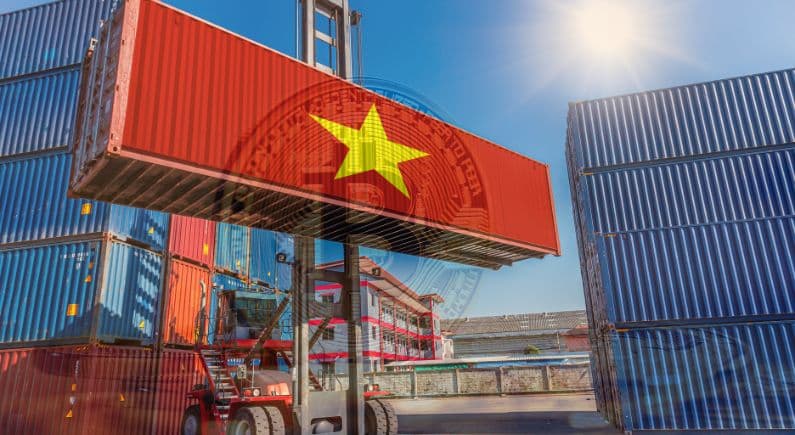
Vietnam officially began accepting applications for crypto exchange licences under a new pilot programme on 20 January 2026. For many years, Vietnam’s cryptocurrency exchanges operated in a legal limbo, neither completely prohibited nor formally recognised.
A new pilot licencing programme, issued by the Ministry of Finance and overseen by the State Securities Commission, now sets clear rules on who can operate, how they must function, and the conditions for maintaining a licence.
Vietnam’s new pilot programme for crypto exchanges began on 20 January 2026. The State Securities Commission is responsible for ensuring compliance, while the Ministry of Finance sets the rules for licencing, revisions, and revocations. Designed for gradual expansion, the framework is intended to run for five years, initially permitting around five exchanges to operate under strict regulations and close supervision.
If all required paperwork is submitted, applications for cryptocurrency exchange licences in Vietnam can be processed within 30 days, although actual processing times may be longer. The licencing procedure is overseen by the Ministry of Finance, which requires applicants to meet standards for capital, ownership, and governance. Approval also depends on obtaining IT security certification from the Ministry of Public Security, which can extend the process, particularly for more complex platforms.
Vietnam’s framework requires crypto exchanges to hold a minimum charter capital of VND 10 trillion, or about $380–400 million. Institutional shareholders must contribute at least 65 percent of this, and at least two institutional investors from industries such as banking, securities, insurance, fund management, or technology must contribute more than 35 percent. These high capital requirements are intended to limit the number of operators while ensuring greater stability, stronger risk management, and long-term credibility.
Under the framework, only domestic companies are eligible to receive crypto exchange licences, ensuring local accountability and regulatory oversight. Foreign investors may participate, but their ownership is capped at 49 percent, keeping majority control within the country.
Applicants must have registered headquarters in Vietnam and be managed by an experienced team, ensuring accountability and proper oversight. In addition, all platforms are required to meet Level 4 IT security standards, providing strong protection for their systems and operations.
All trading and payment transactions in Vietnam’s crypto exchanges must be conducted in Vietnamese Dong, excluding the use of USD or stablecoins as base pairs. This requirement enables regulators to monitor money flows more effectively, reduce financial risks, and maintain control over the country’s monetary system.
Vietnamese banks are preparing to enter the cryptocurrency industry. In August 2025, Dunamu, the operator of South Korea’s Upbit exchange, signed a technical collaboration agreement with Military Bank (MBBank). To build cryptocurrency infrastructure, SSI Securities established SSI Digital Technology JSC in 2022 and partnered with Tether and Amazon Web Services. Techcombank has set up its own exchange, while VIX Securities has launched the VIX Digital Asset Exchange. VPBank has also stated that it is ready to begin operations once approvals are granted.
Regulators expect only about five exchanges to meet the strict requirements of Vietnam’s framework. This limited number is intended to ensure stronger oversight and credibility. Licenced platforms will carry greater trust and legitimacy, giving investors more confidence in the safety and reliability of the market.
In 2025, Vietnam ranked fourth globally and third in the Asia-Pacific region in the Chainalysis Global Crypto Adoption Index. Beyond trading, crypto is widely used in the country for remittances, gaming, and savings, making it part of everyday financial activity.
Vietnam’s Law on Digital Technology Industry will formally bring digital assets under government oversight for the first time on 1 January 2026. Combined with the pilot licencing scheme, this marks a shift from unstructured use to organised regulation and governance.
By 2026, Hong Kong is expected to introduce licencing rules for crypto exchanges with a minimum capital requirement of HKD 5 million (approx. $640,000). In contrast, Vietnam’s framework sets the bar at around $380 million, nearly 600 times higher, reflecting a much stricter approach to market entry.
The new licencing framework gives domestic operators a stronger role in shaping the industry’s growth. Foreign involvement will raise the threshold for market access while keeping it attainable by requiring local partnerships, adherence to ownership restrictions, and investment. Regulators are expected to monitor the pilot licencing programme closely before making any decisions about further expansion.
Serious about Frontier Tech? Dubai is waiting for you. AIBC Eurasia, 09–11 February 2026, brings 14,500 leaders to the heart of MENA’s tech revolution. Show up where the deals happen.