
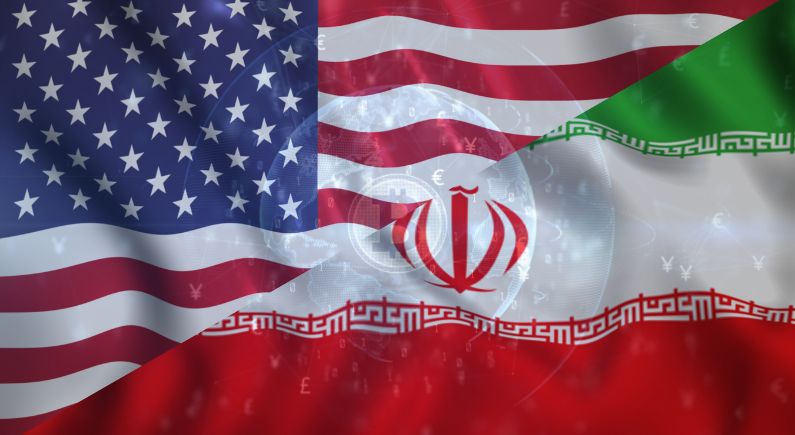
The United States has imposed sanctions on Nobitex, Iran’s largest cryptocurrency exchange, accusing the platform of helping the Iranian government and sanctioned state institutions bypass Western economic restrictions.
The sanctions, announced by the US Treasury Department on Tuesday, June 2, represent one of Washington’s most significant moves against Iran’s cryptocurrency sector to date. According to the Treasury, Nobitex facilitated cryptocurrency transactions linked to Iran’s central bank and the Islamic Revolutionary Guard Corps (IRGC), both of which are under US sanctions.
Treasury Secretary Scott Bessent said Iranian authorities have increasingly turned to digital assets as a way to sidestep sanctions and move money abroad despite the country’s worsening economic conditions.
“While Iran’s economy is in free fall, the regime has chosen to co-opt digital asset technologies for its own corrupt agenda, including evading sanctions and transferring wealth out of the country,” Bessent said in a statement cited by Reuters.
The sanctions follow a Reuters investigation published on May 1 that identified Nobitex as a key player in what it described as a parallel financial network handling hundreds of millions of dollars connected to Iranian state entities.
According to the report, the exchange processed large cryptocurrency transactions linked to organisations associated with Iran’s central bank and the IRGC. Reuters also reported that Nobitex remained operational during government-imposed internet shutdowns, continuing to process millions of dollars in digital asset transfers despite widespread connectivity disruptions.
US officials further alleged that Nobitex helped move and safeguard assets after the start of US military operations involving Iran, allowing funds to be transferred outside the country during periods of restricted internet access.
Alongside Nobitex, the US Treasury sanctioned two individuals identified as Seyed Mohammad Ali Aghamir Mohammad Ali and Seyed Mohammad Aghamir Mohammad Ali, as well as the exchange’s chief executive, Amir Hossein Rad.
US authorities claim the two brothers exercised significant control over Nobitex and have connections to one of Iran’smost influential political families. Previous reports citing corporate records suggested the brothers were involved in the exchange’s early development. Treasury officials allege that Nobitex played a central role in facilitating cryptocurrency transfers connected to sanctioned Iranian entities.
In response, Nobitex said it had long anticipated the possibility of sanctions-related challenges because of the difficulties Iranian companies face when operating internationally.
In a statement shared with customers on its Telegram channel and reported by Reuters, the exchange said it had spent years preparing technical and operational measures to minimise the impact of potential sanctions.
The company has repeatedly denied having direct links to the Iranian government. In previous statements, Nobitex said it does not knowingly support illicit financial activity and maintained that any unauthorised transactions would have occurred without the knowledge or approval of management.
Nobitex also rejected claims that individuals associated with the company had used alternative identities or concealed their affiliations.
The action against Nobitex reflects a broader effort by US regulators to increase oversight of cryptocurrency platforms that authorities believe could be used to facilitate sanctions evasion, cross-border transfers and financial activity involving restricted entities.
Governments around the world are tightening regulations around digital assets. In May, the United Kingdom issued a sanctions package aimed at cryptocurrency exchanges, payment processors, banks, stablecoin infrastructure, and individuals accused of assisting Russia in circumventing international sanctions. The UK’s Foreign, Commonwealth and Development Office (FCDO) sanctioned 18 entities and individuals as part of the move.
The penalties targeted the Kremlin-linked A7 network, which UK authorities claim was used to move funds through Kyrgyzstan-based financial channels, increase military purchases, and enable oil-related transactions. The sanctions target HTX (previously Huobi), EXMO Exchange Limited, Bitpapa, Rapira Group, and organisations associated with the A7A5 stablecoin ecosystem.