- Roadshow to Rome
- Exhibitors
- Agenda
- Speakers
- Media Partners
- News

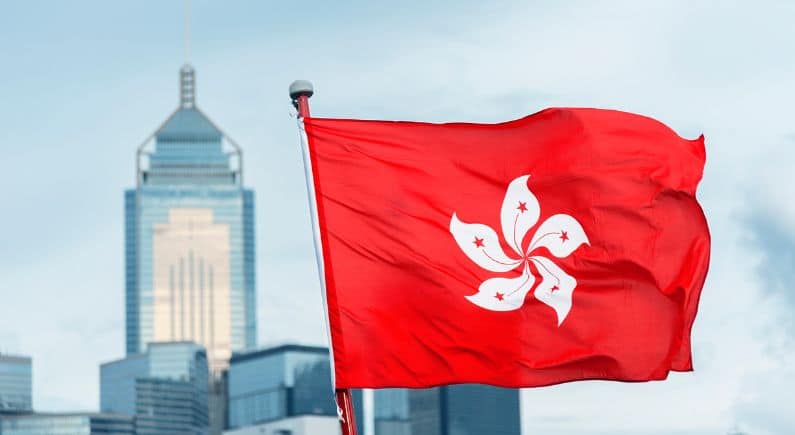
Hong Kong has issued its first stablecoin licences, granting approval to HSBC Holdings Plc and a joint venture led by Standard Chartered Plc. The venture, Anchorpoint Financial Ltd., also includes Hong Kong Telecommunications Ltd. and Animoca Brands Ltd.
The Hong Kong Monetary Authority (HKMA) awarded the licences from a pool of 36 applicants. Regulators prioritised established institutions with strong compliance and risk management systems to ensure stability during the early rollout of regulated stablecoins. The approved firms are expected to begin issuing Hong Kong dollar-pegged stablecoins in mid to late 2026, following necessary preparations.
In 2022, Hong Kong set out a plan to position itself as a global centre for digital assets. Unlike regions that moved to restrict crypto activity, Hong Kong chose to regulate it, aiming to build a framework that allowed innovation while limiting systemic risks.
The strategy has developed progressively. The Securities and Futures Commission started granting licences to cryptocurrency exchanges in 2023, imposing stringent regulations on them. The Stablecoin Ordinance, which established a regulated route for fiat-backed stablecoin issuers, went into force two years later.
HSBC intends to introduce a stablecoin priced in Hong Kong dollars that is fully backed by reserves to guarantee its value stays constant. In order to present the coin as a component of a larger digital finance system rather than as a stand-alone asset, the project is built to facilitate instantaneous transactions, safe payments, and access to tokenised assets.
Additionally, the bank plans to incorporate the stablecoin into already-existing systems like PayMe and its mobile banking software. This would eliminate the need for separate cryptocurrency wallets and facilitate adoption by enabling users to utilise the new digital money within the tools they currently use.
Anchorpoint Financial, the joint venture led by Standard Chartered, brings together partners from different sectors: Standard Chartered Bank, Animoca Brands, and Hong Kong Telecommunications.
The collaboration combines banking, technology, and telecom expertise to support the development of a regulated stablecoin. There is more to the venture’s plan than just producing the coin. In order to create a systematic route for the stablecoin to reach consumers, Anchorpoint plans to collaborate with specific companies as distributors.
Hong Kong’s stablecoin rules are built around strict safeguards. Issuers must hold reserves equal to the full value of coins in circulation, ensuring that every token is backed 1:1. For example, if $1 billion worth of stablecoins are issued, $1 billion in reserves must be maintained. This requirement is meant to prevent instability and protect users from the kind of collapses seen in unregulated projects.
The HKMA also enforces detailed licensing standards. These cover risk management practices, anti-money laundering measures, and corporate governance. Together, the rules aim to keep the system secure while maintaining confidence in the broader financial framework.
In the middle to late stages of 2026, HSBC and Anchorpoint are anticipated to launch their stablecoins. Before the coins are made available, the schedule enables both institutions to finish testing, regulatory reviews, and system integration.
Ahead of launch, the projects will undergo detailed preparation. These include security audits, stress testing, and user experience checks to ensure stablecoins operate reliably and safely once introduced to the market.
Globally, approaches to stablecoin regulation vary widely. In the United States, new legislation has been introduced to address systemic risks tied to these assets. Europe has taken a broader route through its Markets in Crypto-Assets (MiCA) framework, which emphasises consumer protection and financial stability.
Mainland China has gone in the opposite direction, banning unauthorised stablecoins and keeping currency issuance firmly under state control. Against this backdrop, Hong Kong’s regulated model stands out, positioning itself as a middle ground between Western regulatory frameworks and China’s restrictive stance.