
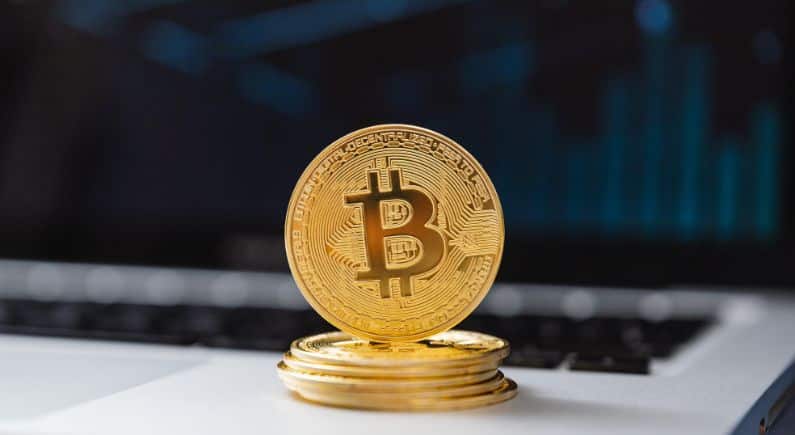
More than 70 per cent of crypto investors believe Bitcoin is undervalued, according to a new global survey by Coinbase and Glassnode, highlighting growing conviction that the market is nearing a turning point. The findings suggest that both institutional and retail participants increasingly view the current cycle as a late-stage downturn, even as on-chain data signals a potential accumulation phase.
The survey gathered responses from 91 global investors, including 29 institutions and 62 non-institutional participants. As cited by Cointelegraph, the results show that 82 per cent of institutions and 70 per cent of non-institutions now classify the market as being in a late bear or markdown phase, a significant rise from roughly one-third in December.
Despite this cautious outlook, sentiment on valuation remains firm. Around 75 per cent of institutional investors and 61 per cent of non-institutional respondents believe Bitcoin is undervalued, with only a small minority viewing it as overpriced.
The survey also points to changing expectations around Bitcoin’s market dominance. Only 25 per cent of institutional respondents now expect its dominance to rise, down from 40 per cent previously. Instead, 54 per cent anticipate it will remain close to its current level of around 58.1 per cent, while 21 per cent expect a decline.
On-chain indicators appear to support the view that Bitcoin is entering a value-driven phase. A composite metric known as the Bitcoin Combined Market Index, developed by analyst Woominkyu, has risen to 0.37 from 0.26, levels historically associated with periods of deep undervaluation.
The index combines several widely used indicators, including MVRV (market value to realised value), NUPL (net unrealised profit and loss) and SOPR (spent output profit ratio). Together, these metrics provide a snapshot of both pricing conditions and investor behaviour.
Although the index’s 90-day average continues to trend downward, indicating ongoing selling pressure, analysts suggest the downside risk may be diminishing. Woominkyu recently noted that the market is entering a “value-accumulation zone”, where long-term upside potential begins to outweigh short-term downside risks.
Additional data tracking short-term holders supports this view. The share of recently moved Bitcoin, measured through realized cap UTXO age bands for one-week to one-month holders, has fallen to 3.91 percent. This level is similar to the conditions in October 2023, when Bitcoin traded near $27,000. It is often seen as a sign of less speculative activity.
Historically, similar readings have come before market bottoms within three to six months. However, analysts warn that these signals do not guarantee an immediate change.
A recent survey by CEX.IO found that 47 per cent of Bitcoin’s circulation supply is lost, as it is currently selling close to $77,000 and roughly 40 per cent below its top in October 2025. The findings show that 10 per cent of participants made major financial sacrifices to maintain their positions, while 36 per cent reduced daily spending due to crypto losses.
A recent survey shows how crypto losses are affecting the everyday lives of retail traders. About 36 per cent have cut back on non-crypto spending, and 10 per cent made significant sacrifices to keep their investments. The impact extends to bigger decisions, too. Around 37 per cent of users delayed or cancelled purchases, and for 21 per cent of those, it was a major milestone, such as buying a home, a car, or renovating a property. The pattern is similar to what happens during large economic disruptions, showing how deeply crypto investments influence personal finances.
Many crypto investors keep their holdings private, not out of secrecy but because these investments can be personal and complex. Only a small number of people fully share what they own or its value, since explaining crypto often requires discussing wallets, tokens and prices that change by the minute.