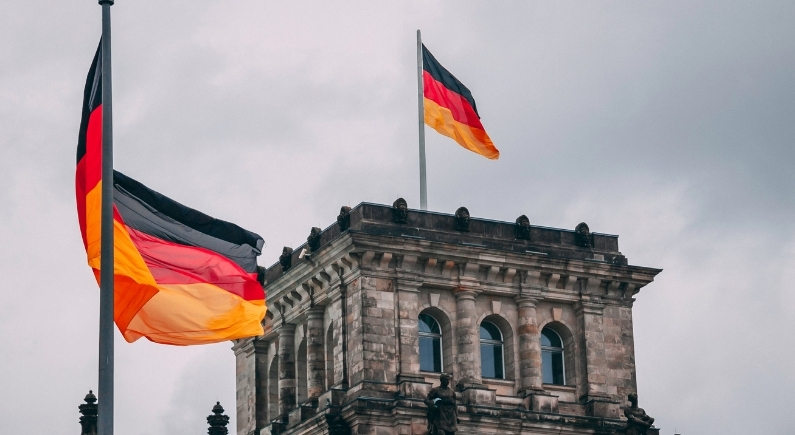
Germany’s online entertainment market has grown sharply in recent years, driven by the convenience of streaming, gaming and other digital services. Many people have embraced platforms that are quick to access and easy to use. But for a long time, customers have also been wary of what can go wrong online, from fraud to privacy risks.
German regulators have moved to address that anxiety. Authorities and oversight bodies have made consumer protection a priority, tightening rules in areas such as content moderation, data privacy and financial safeguards. What stands out is how the system has tried to balance security with the speed users expect, and how widely businesses have adapted to the new requirements.
How Germany is regulating digital media
A
recent German study suggested a broader problem behind the digital shift: distrust. Around half of those surveyed expressed dissatisfaction with major companies they deal with. The concern was not limited to online services, but it has shaped how regulators approach the digital market. For officials, figures like these have helped underline the need for tougher rules and clearer standards.
Germany’s digital regulations have not only influenced domestic platforms. They have also had an effect internationally, particularly in heavily regulated areas where trust is crucial. One example in the iGaming sector is
Neobet, which has positioned itself as a platform that follows German standards on fraud prevention and verification while still managing to offer fast transactions.
The regulatory push is sometimes discussed in broad terms, but the details matter. A number of specific laws and requirements are designed to help businesses keep services convenient while making them safer for users. Below are some of the measures that have shaped how digital media is regulated in Germany.
Content moderation reduces harm
Germany’s content moderation rules, especially those aimed at hate speech, have attracted criticism. Even so, supporters say they have helped maintain an online environment that places more emphasis on tolerance and safety, particularly in spaces tied to entertainment communities.
A central part of this approach is the Network Enforcement Act, known as NetzDG. It requires platforms to remove unlawful content within a tight timeframe once it has been reported. In cases where content is clearly illegal, removal is expected within 24 hours of a complaint. For other illegal material, platforms are expected to act within a week.
NetzDG was designed with large platforms in mind, applying to services with more than two million users in Germany. While smaller sites fall outside its scope, the law has become one of the best-known examples of Germany’s attempt to push faster enforcement online.
Informed user consent is important in Germany
Germany has also strengthened its rules around privacy and user consent. The Telecommunications Digital Services Data Protection Act (TDDDG), passed four years ago, is intended to give users clearer protections around data storage and tracking. Its core requirement is straightforward: businesses must inform users about the data they store and the access they want to have, so people know what they are agreeing to.
The law was introduced as part of an effort to align German rules with the European Union’s ePrivacy framework. Over the past decade, concerns about tracking and the erosion of anonymity online have become more prominent, particularly as targeted advertising and data collection have expanded.
That debate helps explain why some users have turned to alternatives that promise greater privacy, including cryptocurrency. The appeal has persisted even as the market has faced turmoil, including periods when
falling Bitcoin prices led some crypto liquidity providers to pause deposits and withdrawals.
It would be unrealistic to expect tracking and data storage to disappear altogether. But the German approach is often presented as a practical step: ensuring that users are at least aware of what they are consenting to before they click through privacy notices.
Crypto and other digital assets in Germany
Cryptocurrency
has become a regular feature of discussions about online entertainment and digital payments. Bitcoin and its offshoots are no longer limited to private trading communities. In Germany, banks and some government-owned companies have begun exploring crypto-related services in response to rising interest.
Here too, regulators have focused on safety. Germany’s financial watchdog has built a framework intended to make cooperation between traditional banks and crypto providers more secure, with licensing and compliance requirements designed to reduce fraud and protect consumers.
For online entertainment platforms, the relevance is partly practical. Many services have offered crypto deposits and withdrawals for years, even as users are warned about the volatility of assets such as Bitcoin and Ethereum. The draw for customers is often speed: transactions can be quicker than some conventional methods. In that sense, crypto is sometimes presented as one way platforms try to meet demand for rapid payments while operating within a stricter security environment.
German digital entertainment is at an all-time high. People across the country are more willing than ever to embrace streaming and online gaming. A swift regulatory response to this surge in interest has helped Germany build an industry that is both safe and strong. And, if current trends continue, the next chapter of the country’s digital sector looks set to be even more interesting.